

Why “Inner Safety”?
Safety is neither fixed nor universal. For some it is a known and cherished feeling. For others, it may be episodic or unfamiliar.
Across languages, the words we use to describe safety reveal its depth and complexity. In Latin, salvus and salus speak to more than just physical survival, evoking wholeness, health, and salvation, a state of being unharmed in body, mind, and spirit. The Arabic salāma (سلامة), from which our flagship curriculum draws its name, carries a similar breadth. Rooted in the triliteral s-l-m (س-ل-م), it signifies protection from harm, but also integrity, peace, and the preservation of what is most essential. In Hebrew, shalom (שָׁלוֹם) extends beyond the absence of conflict to encompass ideas of completeness, restoration, or wholeness. These linguistic threads point to a shared understanding, that safety is not only the absence of danger, but a multidimensional state of being that encompasses the body, the self, the sacred, and the relationships that hold us.
What words do you use for “safety” in your language?
For many, the experience of safety is a daily negotiation. War, displacement, and systemic instability reshape how people move through the world, how they trust, how they find moments of ease amid chaos. Yet even within shared struggles, safety is deeply personal. Indeed, safety is both intimate and collective, a living process shaped by memory, culture, biology, and the quiet acts and moments of tranquility that unfold in the face of rupture.
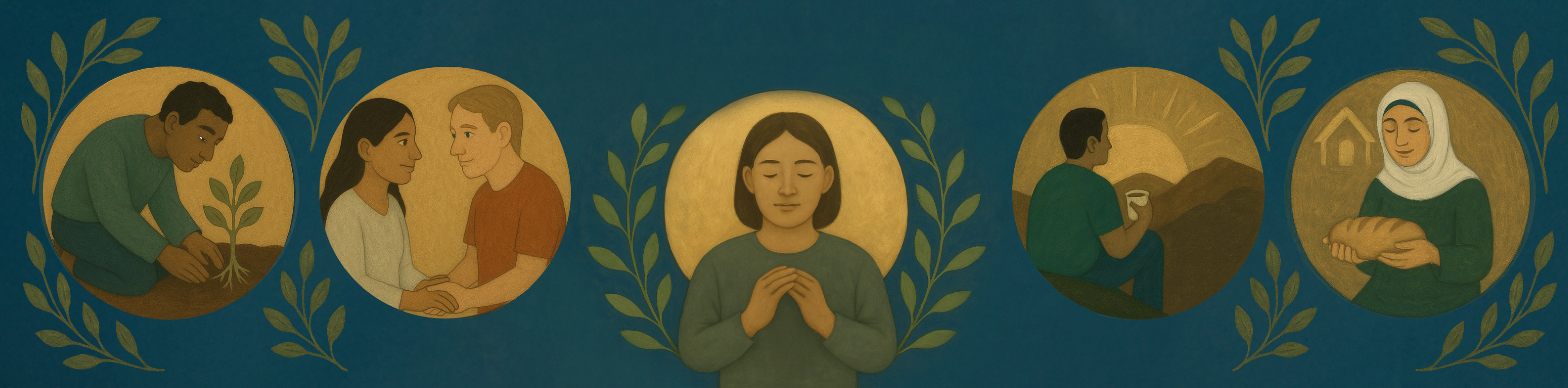
The Inner Safety Framework was developed in collaboration with communities who know these realities firsthand. It maps safety along five critical axes:
- Connection to land and place (the ground that holds memory, the places that anchor us)
- Relational safety (the trust we rebuild, the bonds that sustain us)
- Spiritual and cultural practice (the rituals, beliefs, and stories that root us)
- Somatic/neurobiological regulation (the body’s wisdom, agentic choice in the presence of its alarms and its ease)
- Material security (the tangible resources that make survival and thriving possible)
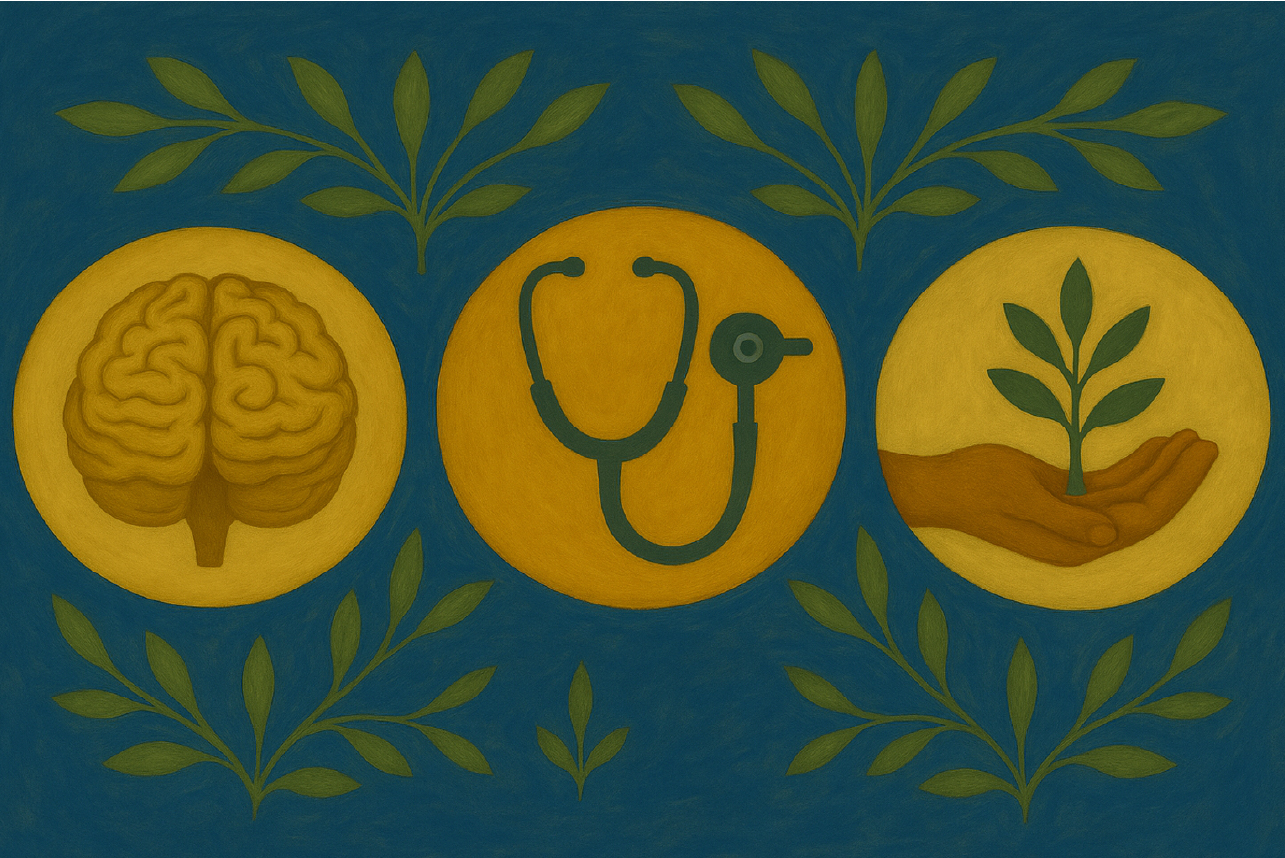
This model offers a compass that honors the diversity of human experience while offering a way to navigate the terrain of rupture and repair with clarity and respect. It recognizes that safety is not a luxury to be achieved after trauma, but the very medium through which wholeness happens.
At ISP, we are committed to advancing the science, tools, and conversations that help individuals and communities cultivate safety inside and out.
Testimonials
Inner Safety Project: A Journey Toward Growth and Liberation
Participating in ISP has been a truly transformative experience. I gained valuable tools to cope with stress and psychological trauma, and I came to appreciate the crucial role of safety resources in my life. The program introduced me to effective strategies for managing mental health challenges and helped me cultivate the inner strength needed to face adversity.
It deepened my understanding of the importance of self-care and mental well-being, and taught me how to actively utilize available safety resources. I learned that mental health is not simply the absence of illness, but a state of thriving and emotional resilience.
Through this journey, I became more aware of the signs of psychological stress and how to address them constructively. I also learned how to foster healthy relationships that support mental well-being.
I am truly grateful for this program, which empowered me to grow from within and release long-held emotional burdens. I hope others have the opportunity to benefit from this enriching experience and find in ISP a source of peace, healing, and growth. Thank you to everyone who made this remarkable initiative possible, may it continue to support individuals on their path to mental wellness and personal flourishing
Omar
Working with ISP has been deeply affirming. Your flexible funding and unwavering support allow us to adapt to real-time challenges without feeling constrained. The reflective monthly meetings are not just check-ins, they're spaces for honest growth and learning. Most importantly, the relationship feels balanced, rooted in trust and mutual respect. It’s a rare and refreshing kind of partnership.
Yvonne Gache
I stumbled upon a podcast with some of the ISP team speaking about trauma, justice, healing, and the very complicated intersection of them all. When I joined the team as a collaborator, I really did not know what I was signing up for. The work that they have done was eye opening for me, and the work that we do right now, and dream of doing transcends the typical work that I was familiar with. With ISP, I quickly learnt that numbers don't matter - people actually matter - change happens when we believe in it, we try, and admit that there is room for messing up and doing better next time. Most importantly, nothing is set in stone - we should always be able to challenge what we know, not to swallow concepts as whole, and to use our voice to share our side of the story when we need to. It did not take me long to understand what we want to do. The practical realities took some time to sink into - but now sometimes I sit and daydream and get lost in the aspirations of this kind of work. It doesn't feel limiting, but feels liberating. It is meaningful work and meaningful change with those who might not know what they need, how to get there and who they can trust to walk with them and finally get there.
NouraPsychologist, Lebanon